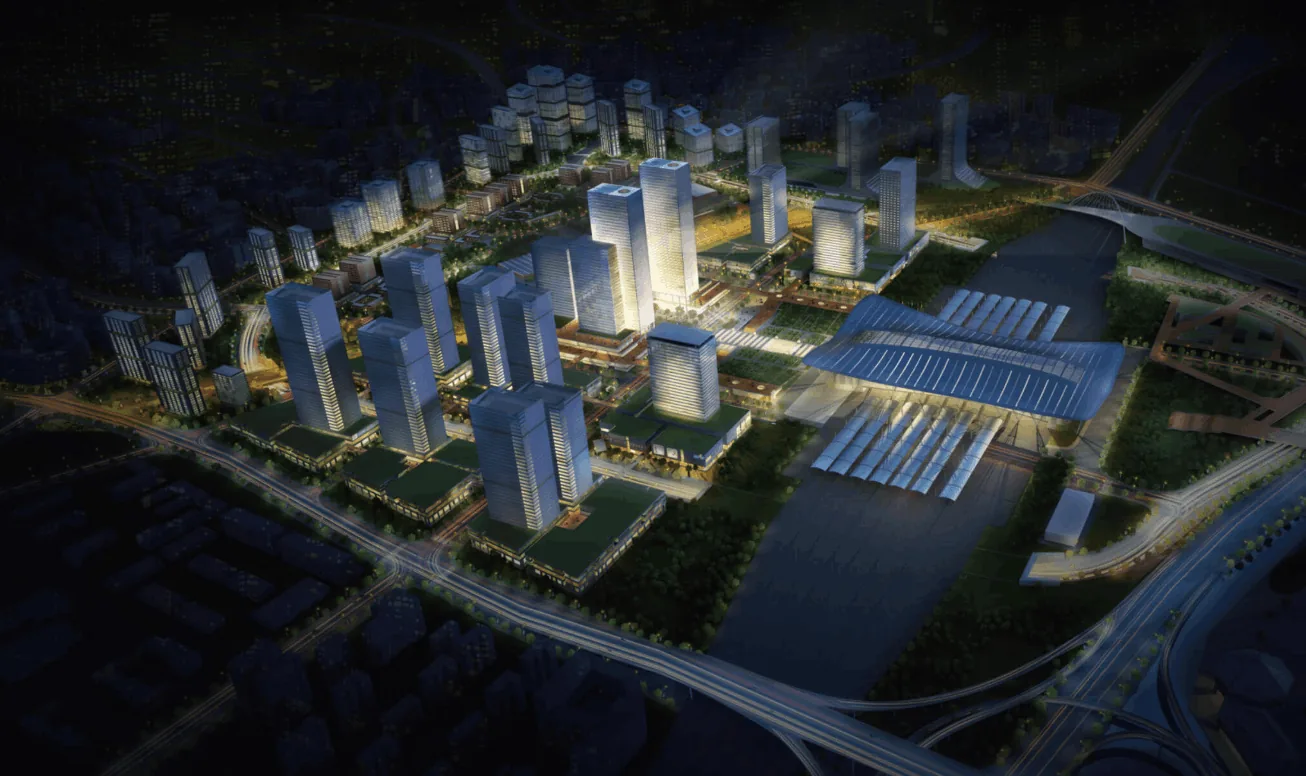
Engineering Projects Shaping Tokyo
Tokyo stands as one of the most complex urban environments in the world, where continuous transformation is driven by large-scale planning and highly coordinated technical execution. The city’s evolution depends on deeply interconnected infrastructure systems that support millions of residents, commuters, and businesses every day. Behind its dense skyline and efficient transportation lies an ongoing process of innovation shaped by major engineering projects, advanced energy networks, and long-term strategies in urban development. These elements work together to ensure that Tokyo remains both functional and adaptable in the face of rapid change and environmental challenges.
One of the most visible areas of transformation in Tokyo is its transportation infrastructure. The rail and metro systems form a critical backbone of mobility, requiring constant upgrades and expansion to handle growing demand. These systems are supported by highly sophisticated infrastructure systems that coordinate train operations, passenger flow, and station management with precision. Many ongoing engineering projects focus on improving capacity, reducing congestion, and increasing resilience against natural disasters. At the same time, these developments are tightly integrated into broader urban development strategies that aim to optimize land use and improve connectivity across the metropolitan region.
Underground construction plays a particularly important role in Tokyo’s development. Limited surface space has led engineers to expand infrastructure below ground, creating tunnels for transportation, utilities, and commercial use. These underground infrastructure systems are among the most complex in the world, requiring advanced planning and continuous monitoring. Large-scale engineering projects in this domain include deep subway lines, flood control channels, and subterranean utility corridors. These systems are essential for maintaining the functionality of the city while reducing pressure on surface-level urban development.
Energy management is another critical component of Tokyo’s urban transformation. The city relies on highly efficient energy networks to power residential districts, industrial zones, and commercial centers. These networks are increasingly integrated with smart buildings, which help regulate consumption and improve overall efficiency. Many modern engineering projects focus on upgrading aging electrical grids, introducing renewable energy sources, and improving resilience against outages. These efforts are essential for ensuring that Tokyo’s infrastructure systems remain stable in one of the most densely populated urban environments in the world.
Disaster resilience is a defining feature of Tokyo’s engineering approach. Located in a seismically active region, the city must constantly prepare for earthquakes, typhoons, and flooding. As a result, many engineering projects are dedicated to strengthening buildings, bridges, tunnels, and transportation hubs. These efforts rely on advanced infrastructure systems designed to absorb shocks and maintain functionality during emergencies. Flood control systems, underground reservoirs, and seismic reinforcement technologies are all part of Tokyo’s long-term urban development strategy, ensuring safety and continuity in critical services.
Smart technology plays an increasingly important role in shaping Tokyo’s infrastructure. Sensors, data platforms, and automated control systems are embedded into transportation, utilities, and public facilities. These innovations allow real-time monitoring of energy networks and other essential infrastructure systems, improving efficiency and response times. Many engineering projects now incorporate artificial intelligence and predictive analytics to optimize traffic flow, manage energy demand, and detect potential failures before they occur. The integration of such systems reflects Tokyo’s broader shift toward digitally enhanced urban development.
High-rise construction is another defining feature of Tokyo’s urban landscape. The city continues to develop vertical solutions to address land scarcity, resulting in a growing number of smart buildings that combine residential, commercial, and public functions. These structures are part of complex engineering projects that prioritize safety, energy efficiency, and adaptability. They are closely linked to surrounding infrastructure systems, ensuring seamless integration with transportation networks, utilities, and communication services. In many cases, these developments serve as models for future urban development in other global cities.
Water management and environmental control are also essential components of Tokyo’s infrastructure strategy. The city has developed advanced drainage systems, underground flood tunnels, and water recycling facilities to manage heavy rainfall and reduce environmental risks. These systems are supported by extensive engineering projects that enhance the resilience of urban areas. Integrated infrastructure systems ensure that water supply and wastewater treatment remain stable even during extreme weather conditions, reflecting the importance of long-term planning in sustainable urban development.
As Tokyo continues to evolve, its transformation is driven by a careful balance between innovation and stability. Large-scale engineering projects reshape the city while preserving its functionality, and advanced energy networks support its growing demands. The integration of smart buildings, resilient infrastructure systems, and forward-looking urban development strategies ensures that Tokyo remains a global model for modern metropolitan design. Through continuous improvement and adaptation, the city demonstrates how engineering can sustain both complexity and livability in one of the world’s most dynamic urban environments.