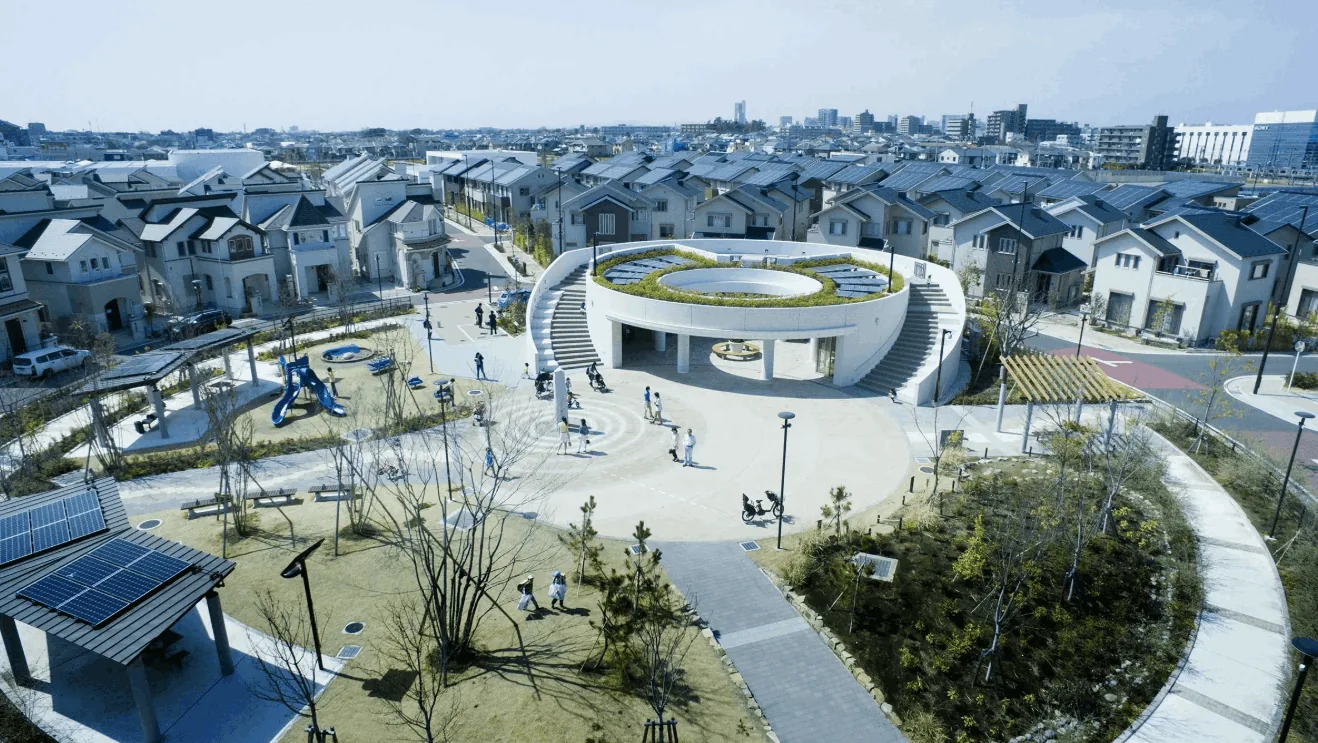
Modern Energy Networks in Japan
Japan’s approach to modern energy systems reflects a long-term effort to balance technological progress, environmental responsibility, and resilience in a country with limited natural resources. The development of energy networks is closely tied to the structure of its cities, where dense populations and high demand require highly efficient infrastructure systems. Over time, Japan has built one of the most stable yet adaptable energy frameworks in the world, supported by continuous engineering projects and evolving strategies in urban development. These systems are not isolated technical solutions but deeply integrated into everyday urban life, influencing transportation, housing, industry, and smart buildings across the country.
A defining feature of Japan’s energy landscape is its layered structure. Electricity generation, transmission, and distribution are carefully coordinated to ensure reliability even during natural disasters such as earthquakes or typhoons. This resilience is achieved through continuous investment in engineering projects designed to strengthen grids, improve redundancy, and optimize load balancing. In large metropolitan areas, advanced monitoring systems track energy usage in real time, allowing operators to adjust supply dynamically. These innovations demonstrate how modern energy networks depend on both physical infrastructure and digital control systems embedded within broader infrastructure systems.
Urban density plays a major role in shaping energy demand. Cities like Tokyo require enormous and continuous energy flow to support transportation systems, commercial districts, and residential areas. To manage this complexity, planners integrate smart buildings that can regulate their own consumption, reducing pressure on central grids. These buildings often use automated systems that adjust lighting, heating, and cooling based on occupancy and external conditions. Such developments are part of broader urban development strategies that aim to create more efficient and sustainable environments while maintaining comfort and productivity.
Japan has also been actively expanding its renewable energy capacity as part of its long-term environmental goals. Solar, wind, geothermal, and hydropower sources are gradually being incorporated into national energy networks, especially in regional areas. However, the challenge lies in integrating these variable sources into stable infrastructure systems that can reliably supply electricity in high-density urban regions. To address this, engineers have introduced advanced storage technologies and smart grid solutions that allow better balancing of supply and demand. These efforts are supported by ongoing engineering projects focused on improving flexibility and reducing carbon emissions.
Another important aspect of Japan’s energy transformation is decentralization. Instead of relying solely on large centralized plants, some regions are experimenting with localized energy production and distribution systems. This approach enhances resilience, particularly during emergencies when parts of the national grid may be disrupted. Localized energy networks can continue functioning independently, supplying essential services to hospitals, transportation hubs, and residential districts. These systems are closely connected with modern urban development principles that prioritize safety, continuity, and adaptability in city planning.
Technological innovation is at the core of how Japan manages its energy infrastructure. Digital monitoring platforms, artificial intelligence, and predictive analytics are increasingly used to optimize infrastructure systems and improve efficiency. These tools allow operators to anticipate demand fluctuations and identify potential issues before they become critical. In many cases, such technologies are integrated directly into smart buildings, creating a feedback loop between consumption and production. This integration represents a significant evolution in engineering projects, where software and hardware work together to manage complex urban environments.
Disaster preparedness remains a central consideration in all aspects of Japan’s energy strategy. The country’s experience with earthquakes and extreme weather has led to the development of highly resilient energy networks capable of isolating damaged sections while maintaining overall functionality. Backup systems, underground cabling, and reinforced substations are common features of urban infrastructure systems. These measures are not only technical but also strategic, reflecting a broader commitment to stability within national urban development policies. Each engineering project in this area is designed with redundancy and recovery in mind.
Environmental sustainability is another key driver of energy innovation. Japan continues to explore ways to reduce greenhouse gas emissions while maintaining economic and social stability. This includes improving efficiency in smart buildings, expanding renewable integration, and upgrading existing energy networks to reduce waste. Urban planners and engineers collaborate to ensure that new developments align with long-term environmental goals. These efforts also generate valuable construction insights, showing how sustainable design can be implemented in both new and existing urban structures.
As Japan continues to evolve its energy landscape, the connection between technology, infrastructure, and urban life becomes increasingly visible. Modern energy networks are no longer hidden systems operating in isolation but active components of city ecosystems. Through continuous engineering projects, adaptive infrastructure systems, and forward-looking urban development, Japan demonstrates how energy management can support both present needs and future challenges while integrating seamlessly with smart buildings and everyday urban environments.