How Japan Builds Smart Cities
Japan has long been recognized for its ability to combine tradition with technological progress, and this balance is especially visible in the way cities evolve. The idea of a smart city in Japan is not limited to futuristic buildings or advanced digital systems. Instead, it reflects a broader vision where infrastructure systems work efficiently to support transportation, communication, safety, and sustainability. Across major urban centers and smaller municipalities, city planning increasingly integrates technology into daily life while preserving functionality and resilience. These efforts are visible through carefully designed engineering projects, evolving energy networks, and long-term approaches to urban development supported by valuable construction insights.
One of the most important foundations of Japanese smart cities lies in transportation. Rail systems, pedestrian pathways, bus routes, and road management technologies are continuously updated to reduce congestion and improve accessibility. In cities such as Tokyo, Osaka, and Yokohama, planners use digital monitoring systems to understand movement patterns and improve public transportation efficiency. Such initiatives rely on interconnected infrastructure systems that allow commuters to travel safely and quickly despite extremely high population density. Many of these improvements emerge from carefully coordinated engineering projects designed to balance convenience with long-term urban resilience.
Technology also plays an increasingly important role in how buildings are designed and managed. The rise of smart buildings has introduced new approaches to energy efficiency, climate control, and public safety. Many structures are equipped with automated systems that adjust lighting, monitor electricity use, and regulate indoor environments depending on weather conditions or occupancy levels. In earthquake-prone regions, advanced structural technologies help improve safety standards, demonstrating how Japanese engineering projects often combine innovation with disaster preparedness. These developments provide valuable construction insights into how urban environments can remain functional while responding to environmental challenges.
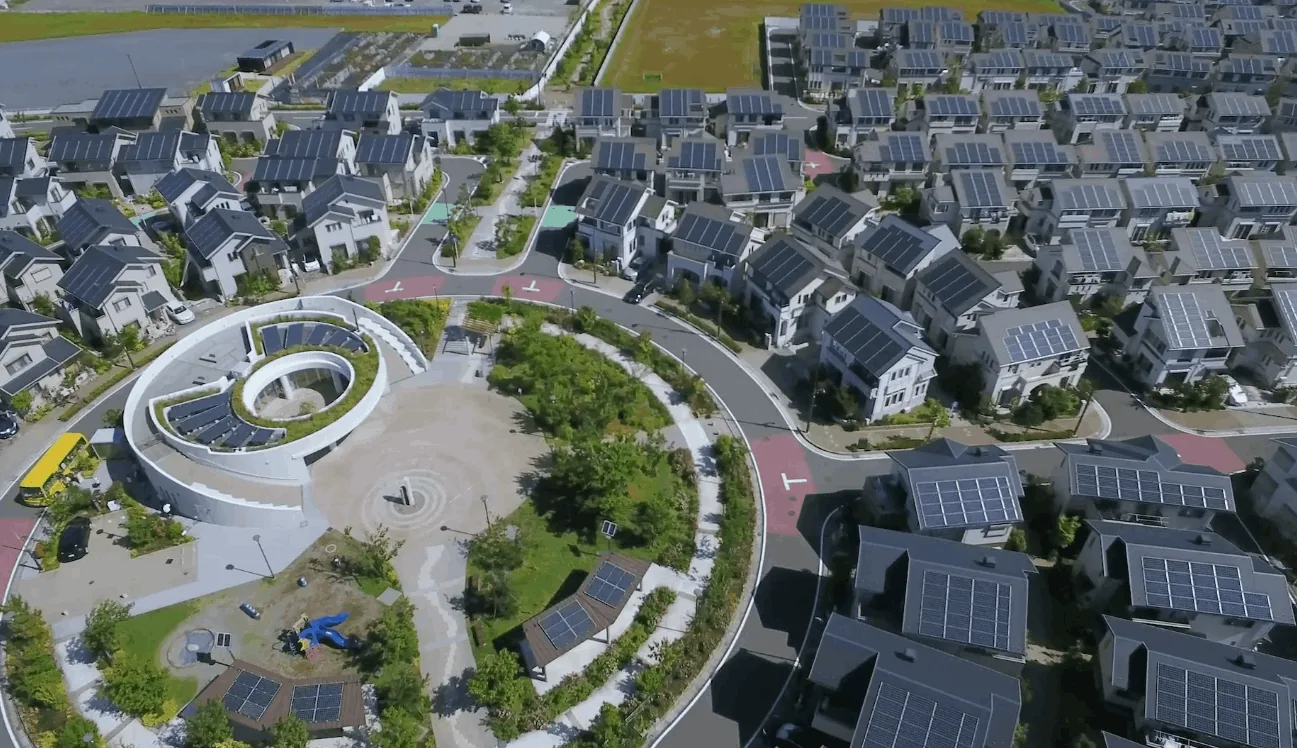
Another defining characteristic of smart city planning in Japan is the careful management of energy networks. Urban areas increasingly seek to reduce environmental impact while maintaining stable electricity supplies for millions of residents and businesses. Renewable energy, battery storage systems, and local power-sharing models have become more visible in discussions surrounding sustainable urban development. Some districts experiment with decentralized approaches that allow neighborhoods to function independently during emergencies, reducing pressure on traditional infrastructure systems. These initiatives reveal how modern engineering projects extend beyond physical construction to include digital coordination and environmental planning.
Population changes have also influenced the way Japanese cities are designed. Some urban areas continue to expand, while others adapt to aging populations or regional migration patterns. Smart city concepts therefore focus not only on technology but also on livability. Accessible public spaces, safer mobility options, and efficient public services are increasingly prioritized in urban development discussions. Local governments often collaborate with universities and private research groups to study how smart buildings, transportation hubs, and public facilities can better respond to changing demographics. These conversations generate useful construction insights into how cities can remain flexible and responsive over time.
Environmental sustainability remains central to many city planning strategies. Japan has faced challenges related to climate risks, natural disasters, and resource management for decades, encouraging practical innovation in infrastructure systems. Flood prevention measures, water management systems, and resilient transportation corridors form an essential part of modern engineering projects. At the same time, urban planners increasingly explore ways to reduce emissions through more efficient energy networks and greener building materials. Such efforts demonstrate that urban development is no longer focused solely on expansion but also on maintaining quality of life while reducing environmental pressure.
Digital technology is another important component of smart city initiatives. Sensors, data analysis platforms, and communication systems help city officials understand traffic conditions, monitor public infrastructure, and respond more quickly to emergencies. These tools are often integrated into smart buildings, transit systems, and public utilities to improve operational efficiency. Behind many of these innovations are large-scale engineering projects aimed at modernizing aging facilities while ensuring compatibility with future technologies. Observing these efforts also offers practical construction insights into how digital systems increasingly shape physical urban spaces.
Public participation has become a growing part of city transformation as well. In some communities, residents are encouraged to contribute ideas about transportation, environmental planning, and neighborhood improvements. This collaborative process supports more inclusive urban development, helping planners better understand how people interact with local infrastructure systems. Feedback often shapes decisions related to public facilities, pedestrian access, and community resilience. As a result, many engineering projects are designed with everyday usability in mind, ensuring that technology supports rather than disrupts daily routines.
Japan’s approach to smart cities demonstrates that innovation does not depend solely on futuristic technology or dramatic architectural change. Instead, it often emerges through gradual improvements to energy networks, transportation, and smart buildings, all supported by careful planning and reliable construction insights. The future of Japanese cities appears to rely on a balanced combination of technology, sustainability, and practical design, where infrastructure systems quietly support everyday life while urban development adapts to new social and environmental realities.